




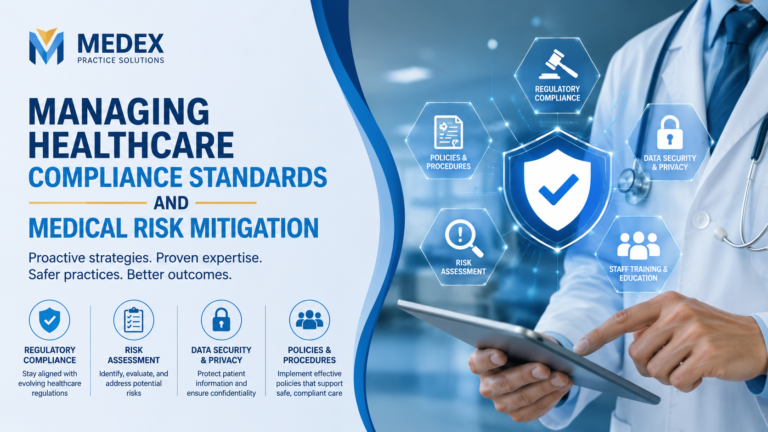
The sustainability of a healthcare practice in the United States is contingent upon the accuracy of its foundational documentation. Within the complex framework of modern healthcare, compliance and risk management are not merely administrative tasks; they are critical safeguards for clinical authority and financial stability. A single oversight in a provider’s profile can lead to systemic failures, ranging from civil monetary penalties to the involuntary termination of payer contracts.
Technical Accuracy and Documentation Integrity
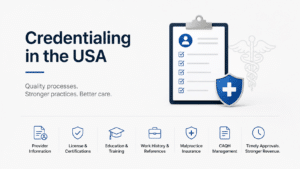
At the center of risk mitigation is Primary Source Verification (PSV). This process requires that a provider’s credentials—including medical school records, residency completions, and board certifications—be verified directly with the issuing institutions. From a regulatory perspective, relying on third-party copies or outdated records is considered a significant risk to the organization’s legal standing.
By maintaining rigorous PSV standards, healthcare organizations ensure that every clinician is qualified to deliver care. This level of technical fidelity is required not only by state medical boards but also by major insurance carriers who utilize this data to assess a practice’s liability profile. Structural integrity in documentation is the first line of defense against federal audits.
Management of Continuous Risk: Expirables and Sanctions
One of the most common causes of compliance failure is the administrative gap found in tracking expirables. Regulatory risk management necessitates the ongoing monitoring of several key data points to ensure uninterrupted Prescribing Authority and billing rights.
Exclusion List Screening (OIG and SAM)
Consistent checking of the OIG (Office of Inspector General) and SAM (System for Award Management) exclusion lists is a federal requirement. Under US law, billing for services provided by an excluded individual—even unknowingly—constitutes a severe breach of compliance, often resulting in heavy fines and immediate contract suspension.
Continuity of Licensure and Prescribing Authority
Proactive management of DEA certifications, CSR registrations, and state-level licenses is essential for maintaining a valid practice. Since expiration cycles differ significantly across state lines, a decentralized management approach often results in unintentional lapses that trigger “Red Flag” signals within payer networks.
Data Architecture and HIPAA Compliance
The transition toward digital credentialing platforms requires that sensitive provider data be managed through encrypted, HIPAA-compliant architectures. Failure to secure these digital assets represents both a legal risk and a threat to the practice’s professional reputation in the Western market.
Transitioning to Proactive Healthcare Architecture
High-status healthcare organizations are moving away from reactive “firefighting” to a proactive architectural approach. Strategic oversight involves establishing a centralized environment where every document is pre-verified and every attestation date is mapped well in advance of a potential lapse.
Specialized structures, such as those maintained by medexps.com, serve as the technical lead in this process. By ensuring that demographic updates and credential files remain in perfect alignment with both National Provider Identifier (NPI) requirements and payer directory standards, organizations can focus on clinical outcomes rather than administrative liability.
Final Foundation Checklist for Clinic Managers:
- Quarterly audit of CAQH re-attestation timelines.
- Automated monitoring of malpractice insurance renewal dates.
- Monthly verification of the Medicare PECOS registration status.
- Standardization of primary source verification protocols for new hires.
Protecting the future of a healthcare practice requires an unwavering commitment to regulatory standards. By treating compliance as a continuous lifecycle rather than a periodic event, administrators can eliminate the technical risks that deny claims and damage growth. Further technical insights on compliant structures are available via MedEx Practice Solutions.