

For healthcare providers in the United States, the bridge between treating a patient and receiving reimbursement is paved with paperwork. Medical credentialing and provider enrollment are the technical gatekeepers of the healthcare industry. Without a precise, verified, and active status within insurance networks, even the most skilled clinicians face denied claims and stalled revenue.
Navigating this complex landscape requires more than just filling out forms; it requires architectural precision. Here is how you can streamline your path to a “Go-Live” status with major payers.
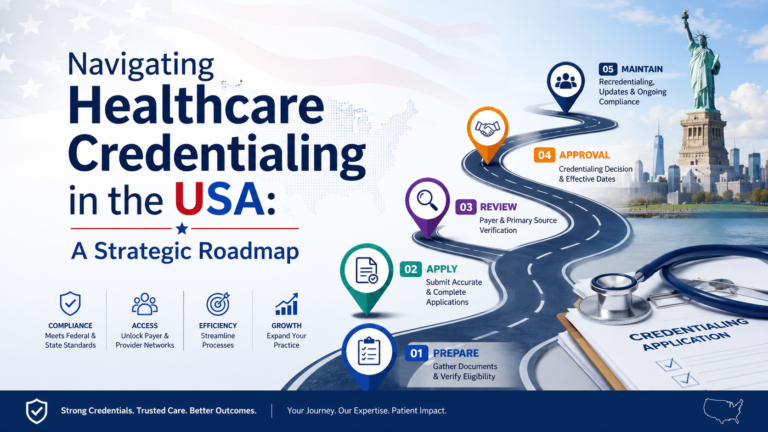
Understanding the Credentialing Lifecycle
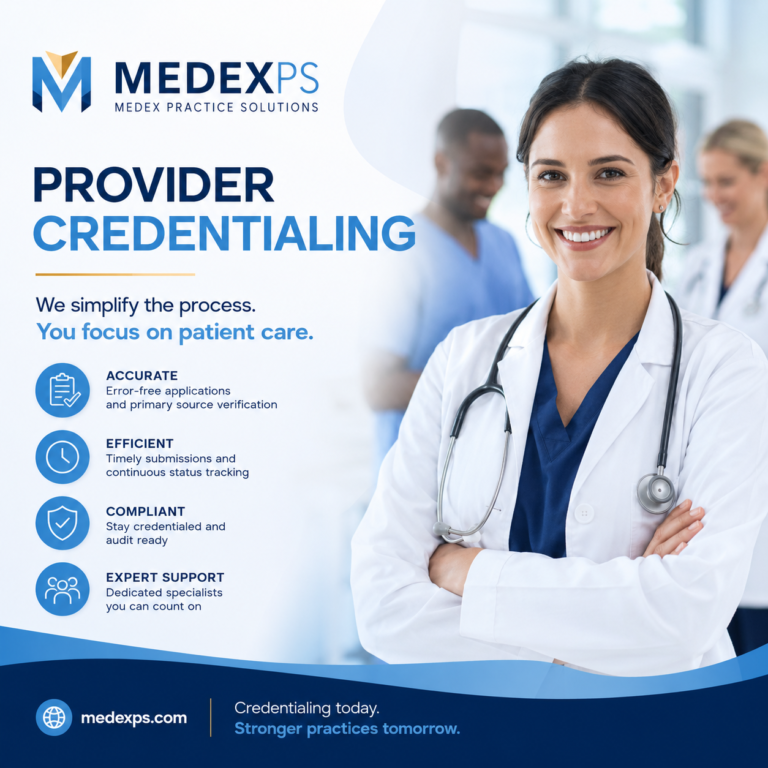
The process begins with Primary Source Verification (PSV). This involves a rigorous evaluation of a provider’s professional history, including medical school completion, board certifications, and state licensing. In the USA, payers like Medicare, Medicaid, and private commercial carriers have distinct requirements that change frequently.
The CAQH and PECOS Hurdle
A major milestone in navigating US credentialing is the management of CAQH ProView profiles. This centralized database is used by nearly all major insurance companies to pull provider data. If your CAQH profile is not updated or re-attested every 120 days, your enrollment status can be suspended.
Similarly, governmental enrollment through PECOS (Provider Enrollment, Chain, and Ownership System) is mandatory for those treating Medicare patients. Mistakes in these systems create a “Red Flag” effect that can take months to resolve.
Why Strategic Management Matters
Most practice managers lose 15–20 hours a week to manual follow-ups and data entry. This is where MedEx Practice Solutions makes the difference. By shifting from reactive “fix-it” tasks to a proactive, architectural approach, providers can shorten the typical 90-to-120-day enrollment window.
MedEx specializes in helping solo practitioners and group practices—ranging from behavioral health to dental teams—manage the entire lifecycle. This includes:
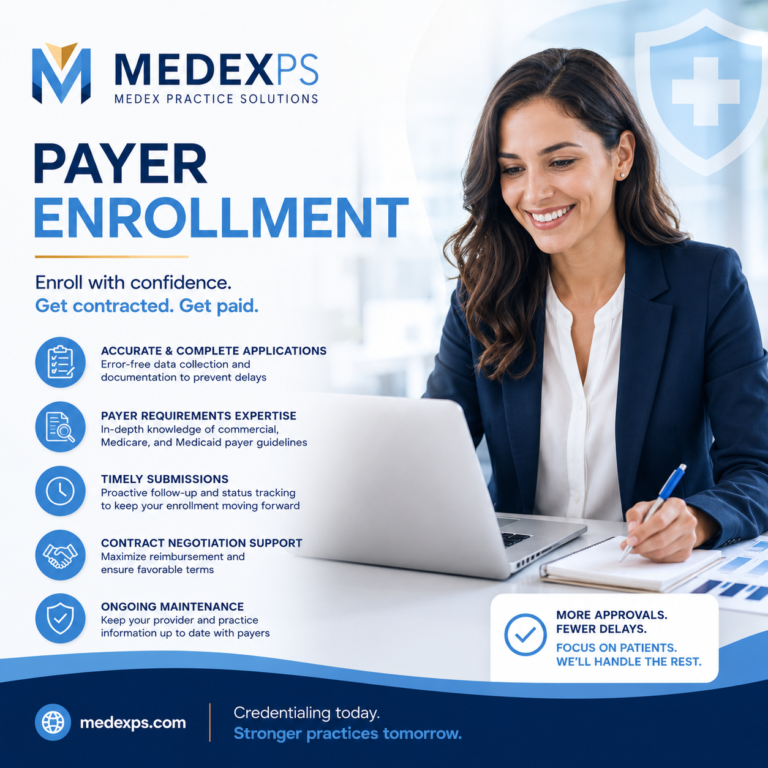
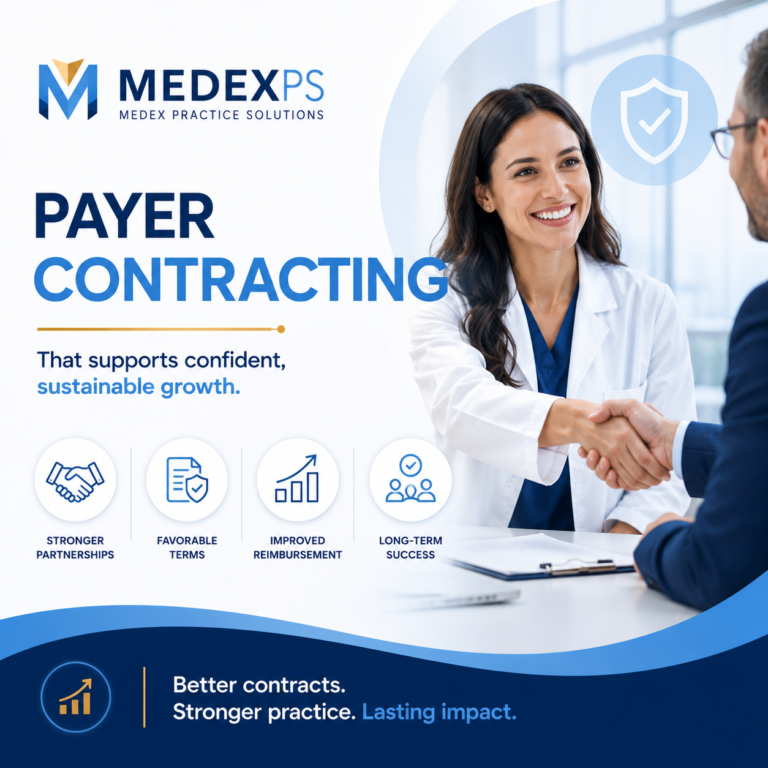
- Payer Contracting: Establishing the formal reimbursement rates for your services.
- Demographic Alignment: Ensuring your practice address is visible to patients searching for local providers “near me.”
- Ongoing Monitoring: Tracking expirations for licenses and DEA certifications before they become a liability.
Conclusion
As we look toward 2026, healthcare compliance is becoming more digitally integrated and legally strict. To maintain professional credibility and consistent cash flow, your digital credentials must be flawless.
Whether you are a startup clinic or an expanding healthcare organization, partner with experts who own the outcome. Explore specialized enrollment strategies at medexps.com to secure your practice’s financial and professional future today.