
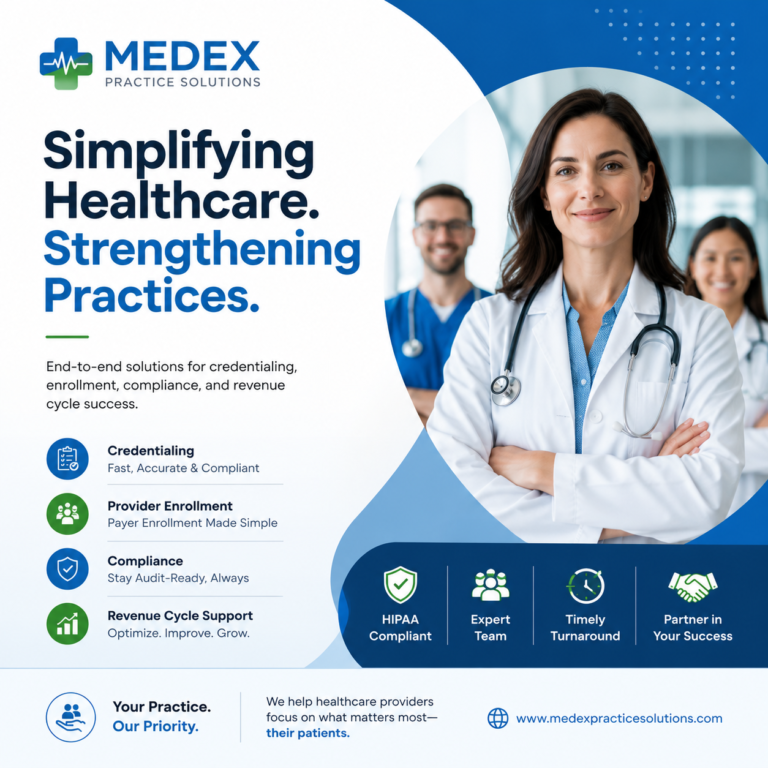

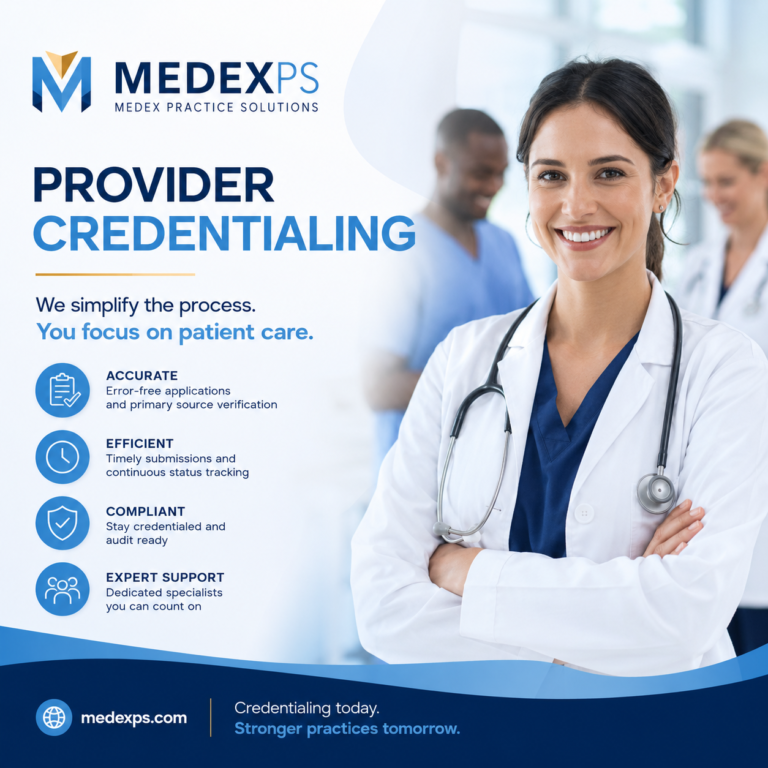


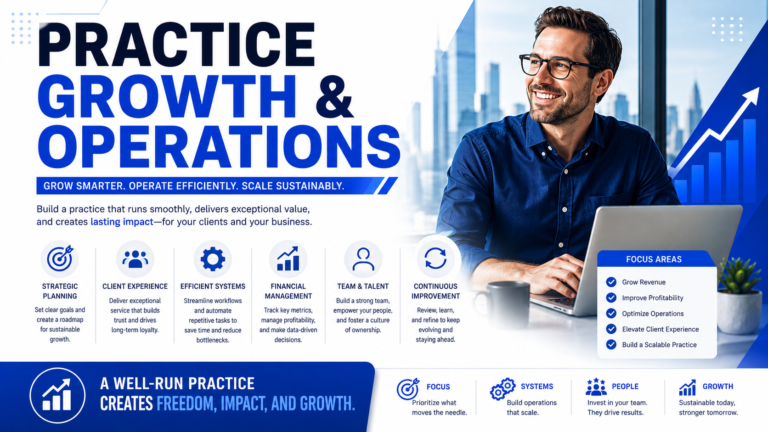
In the competitive United States healthcare sector, practice growth is often misunderstood as a simple increase in patient volume. However, true scalability is determined by the strength of your administrative architecture. For a clinic to transition from a solo operation to a thriving group practice, the underlying operational framework must be capable of handling increased complexity without compromising clinical authority or revenue flow.
Eliminating Administrative Bottlenecks to Expansion
The primary barrier to practice growth is the “Administrative Ceiling.” When clinicians and owners spend 20+ hours a week managing CAQH attestations, manual insurance follow-ups, and provider enrollment paperwork, they are not focusing on revenue-generating clinical care. Establishing professional operational standards requires delegating these technical tasks to specialized systems.
High-growth practices prioritize “Time to Go-Live.” By reducing the onboarding window for new clinicians through a centralized Credentialing Life Cycle, organizations can ensure that every new hire starts generating ROI from their first week of employment rather than waiting months for payer approval.
Transitioning from Solo to Group Architecture
Scaling a healthcare practice involves more than adding rooms; it involves the management of Group NPI (Type 2) identities and multi-provider directory alignments. Each new clinician added to the roster represents a data-point that must be synchronized across federal systems like PECOS and private insurance databases.
Centralized Record Management
Practices that grow sustainably use a “Source of Truth” architecture. Instead of scattered folders and local files, elite healthcare groups maintain encrypted, HIPAA-compliant digital environments. At medexps.com, we specialize in helping practices organize this technical documentation to ensure they are always “audit-ready” for any payer or regulatory body.
Operational Integrity and Branding
Your practice’s digital presence—including a fast-loading, 7-page authority website—is the external face of your operational excellence. A modern digital platform doesn’t just attract patients; it attracts top-tier clinical talent. Professional providers want to work for organizations that demonstrate technical authority and structural stability in their day-to-day operations.
The Checklist for Sustainable Practice Scalability
To prepare for significant growth, administrators should evaluate these core operational pillars:
- Standardized Onboarding: A repeatable technical workflow for new provider credentialing.
- Digital Infrastructure: High-performance web portals for patient leads and clinician information.
- Regulatory Buffer: Ongoing monitoring of malpractice coverage and state licensure to prevent sudden pauses in care.
- Payer Balance: A diversified payer strategy that reduces reliance on any single reimbursement source.
Scaling a medical office requires moving away from reactive management and toward a “Systems-First” mindset. By architecting your operations for professional growth today, you protect the future of your organization. Further insights on managing practice operations and administrative workflows are available at MedEx Practice Solutions.