


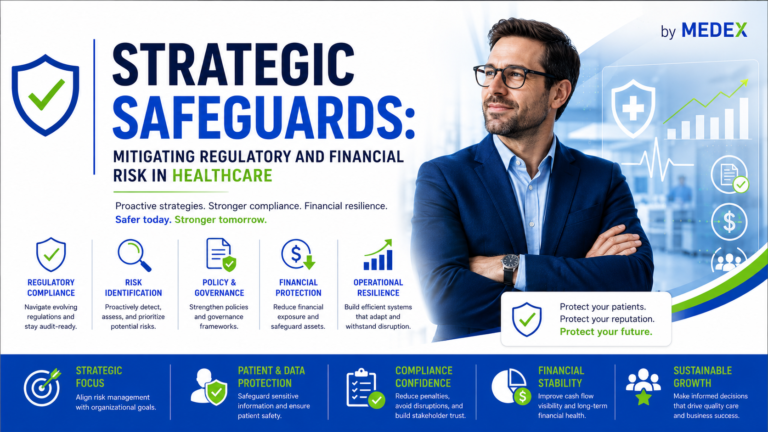
For modern healthcare providers, professional safeguarding is an active lifecycle rather than a periodic event. In a regulatory landscape defined by shifting payer requirements and strict federal oversight, “Risk Management” serves as the primary shield for a practice’s clinical reputation and financial stability. Establishing a secure foundation requires a technical commitment to accuracy at every level of provider documentation.
The Risk of “Credentialing Decay”
Administrative stagnation, often called “Credentialing Decay,” occurs when a practice fails to maintain real-time monitoring of provider credentials. A single lapsed license, an un-attested CAQH profile, or an expired DEA certification creates immediate liability. Payers utilize automated algorithms to scan for these lapses, and the result is often a silent suspension of payments that can paralyze cash flow for weeks before being discovered.
To prevent this, practices must implement a proactive Expirables Management system. This technical framework tracks all state licenses, CSR registrations, and malpractice coverage dates well in advance of their expiration. By removing the risk of a “Document Gap,” administrators protect the continuity of patient care and the integrity of the revenue cycle.
Mitigating Financial Liability Through Exclusion Screening
One of the highest-status risk factors in US healthcare compliance is the presence of an individual on the OIG (Office of Inspector General) Exclusion List. Billing through or employing a sanctioned individual can result in catastrophic Civil Monetary Penalties.
Safe-guarding the practice involves monthly verification against the List of Excluded Individuals and Entities (LEIE). Professional oversight ensures that your healthcare organization remains 100% compliant with federal standards, effectively immunizing your brand from the “Red Flag” audits that plague less-organized groups.
Building the Bridge Between Security and Scalability
Security is the precursor to success. Before an organization can effectively scale its operations, it must have a locked-down compliance architecture. Technical security in your data allows you to hire with confidence and expand your geographic reach without creating new administrative liabilities.
Establishing these protocols is the first step in long-term expansion. For a deeper look at the relationship between your administrative core and your expansion potential, see our comprehensive g